Skip to content
JUSTSTANDART

The New Form of Imagination: LEGO’s Smart Play

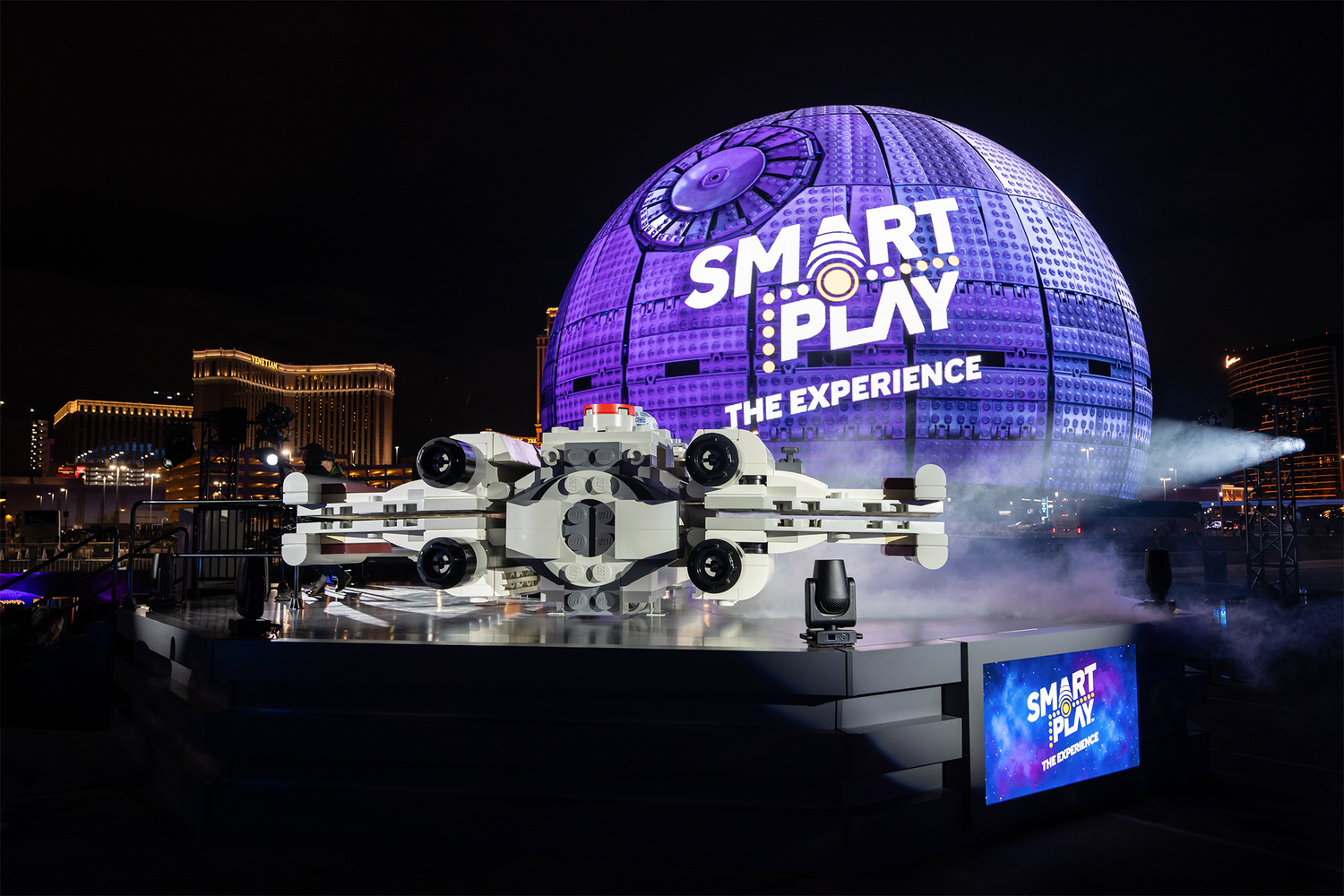
Every year, the CES stage in Las Vegas—where the future of technology is shaped—welcomed an unexpected guest this time. One of childhood’s most familiar objects, that small plastic piece passed from hand to hand for decades, was reimagined under the spotlight. With its new system called “Smart Play,” LEGO didn’t simply introduce a product; it made a bold statement about the future of play. Inviting the physical and the digital, imagination and technology, to the same table, this move inevitably whispered a question: What is play becoming now?

JUSTSTANDART
JUSTSTANDART
JUSTSTANDART

The Purest Form of Imagination

LEGO’s story is, at its core, a lesson in the power of simplicity. What began with wooden toys in the 1930s gradually evolved into a universal language. In a child’s hands, it could become a castle; in an adult’s mind, an architectural sketch; on a designer’s table, an abstract idea. For decades, LEGO bricks have done the same thing: made room for imagination. There were no screens, no sound, no lights—only form, balance, and intuition.

JUSTSTANDART

From a Classic Game to a Responsive Experience
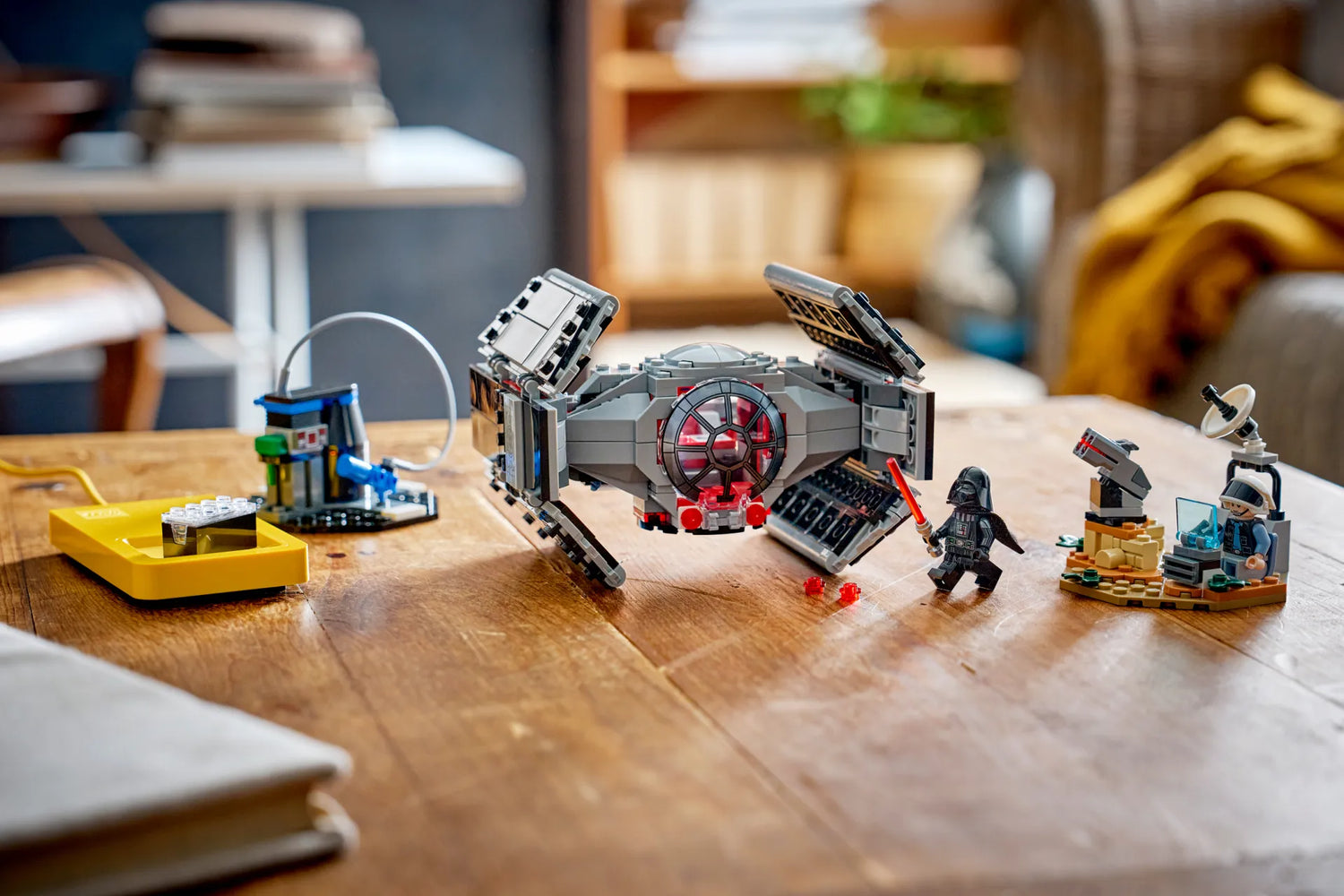
This simplicity was what made LEGO timeless. With the same pieces, each generation could play again, each era could build its own story. This time, however, LEGO chose to add a small yet striking layer to that timelessness. Alongside the classic plastics, a language of structure that reacts, senses, and responds began to emerge. In other words, what changed was not the form itself, but the nature of the relationship the bricks create. The game is still in the hands, still physical—but it is no longer silent.

JUSTSTANDART

Silent Bricks That Speak

This is precisely where Smart Play comes into focus. The new “smart bricks” preserve the classic LEGO form while embedding light, sound, and motion-sensing capabilities within it. As a structure moves, it responds; when it tilts, it answers with sound; when it interacts with other pieces, it adds a sense of rhythm and timing to play. And notably, there is no screen, no app. What LEGO is keen to emphasize is this: technology here is not a directing center, but a subtle companion—present in the background, following the flow of play rather than leading it.

JUSTSTANDART

Evolution or Intervention?

Of course, this innovation didn’t spark the same excitement for everyone. For some, it feels like LEGO’s natural evolution; for others, an unnecessary intervention. The simplicity of sound, the role of light, and whether this new layer truly leaves room for imagination are all being debated. Yet perhaps the real question is not what these plastic pieces do, but what LEGO is trying to attempt. A search for a new balance—one that doesn’t abandon tradition, but aligns it with the rhythm of the times.

JUSTSTANDART

Whether LEGO Smart Play marks the beginning of a revolution or merely a short-lived experiment, only time will tell. But one thing is certain: LEGO hasn’t stopped asking questions. What is play? Where does it begin, and where does it end? And where should technology stand in relation to imagination? The answers are not yet clear. But perhaps LEGO’s true strength lies precisely here—not in providing answers, but in awakening the desire to think again.