Skip to content
JUSTSTANDART

Artemis II: NASA’s Crewed Return to the Moon

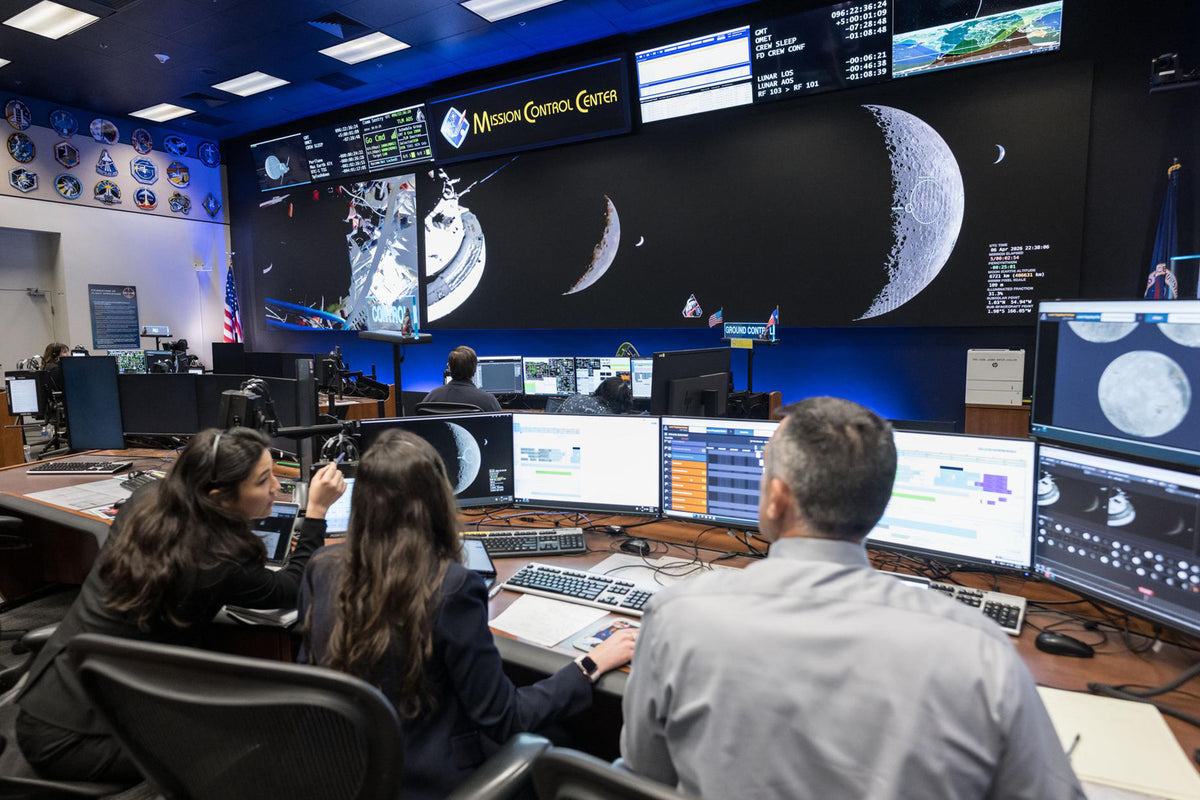
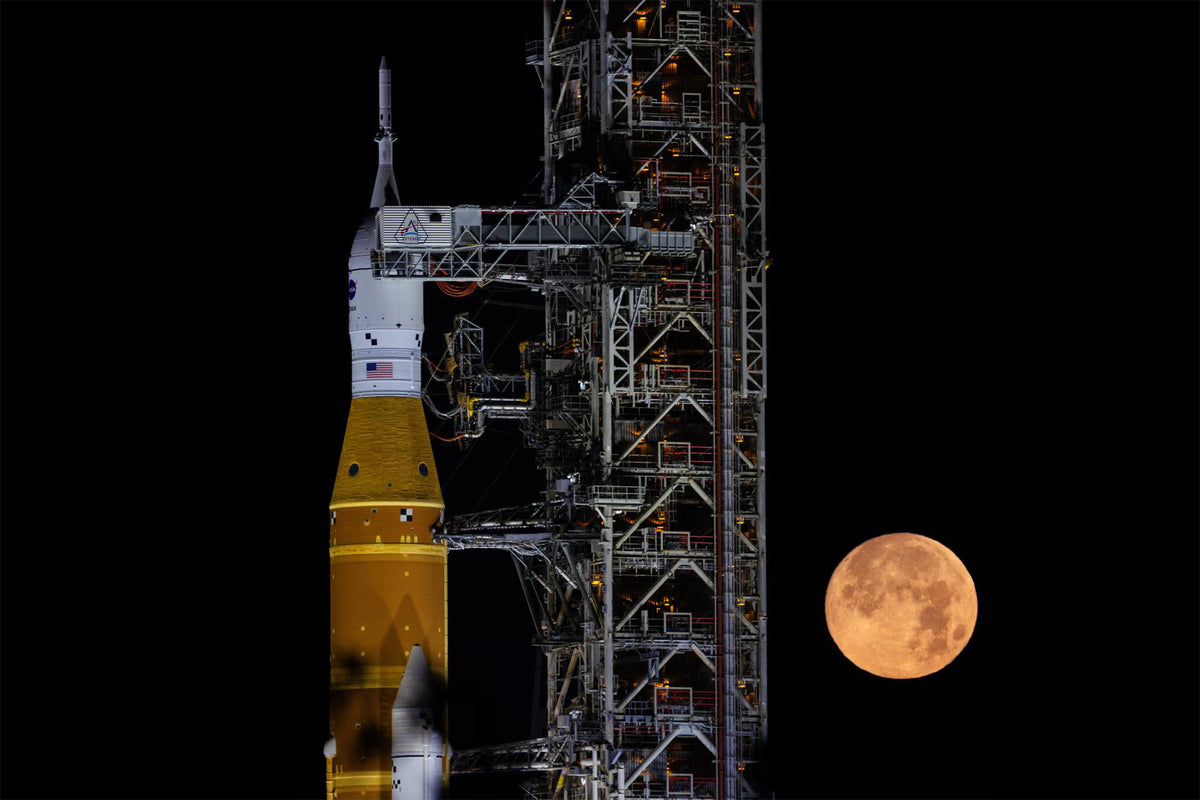
NASA’s Artemis II mission has reignited the excitement of human spaceflight to the Moon — a journey absent since the 1970s. This time, the objective was not to land, but to orbit the Moon and test the Orion spacecraft in a fully crewed flight. Launched from the Kennedy Space Center in Florida, the spacecraft advanced steadily into the vastness of space with controlled precision. Every maneuver and measurement provided critical data, shaping the roadmap for a safe human return to the lunar surface. More than a mission, Artemis II marks the beginning of a new era in NASA’s human spaceflight program — and a defining step in humanity’s renewed journey toward the Moon.

JUSTSTANDART
JUSTSTANDART
JUSTSTANDART

Crew and Trajectory

The four astronauts aboard the mission are distinguished figures, each highly experienced in their respective fields: Commander Reid Wiseman, pilot Victor Glover, mission specialist Christina Koch, and mission specialist Jeremy Hansen from Canada. Each member of the crew carries critical technical responsibilities, contributing to humanity’s return to the Moon. Notably, Christina Koch drew global attention in 2019 by setting the record for the longest single spaceflight by a woman, bringing invaluable experience to human space exploration. Her role in Artemis II holds both symbolic and historic significance, marking a defining moment for female astronauts in crewed space missions.

JUSTSTANDART

Earth, Through the Eyes of the Astronauts
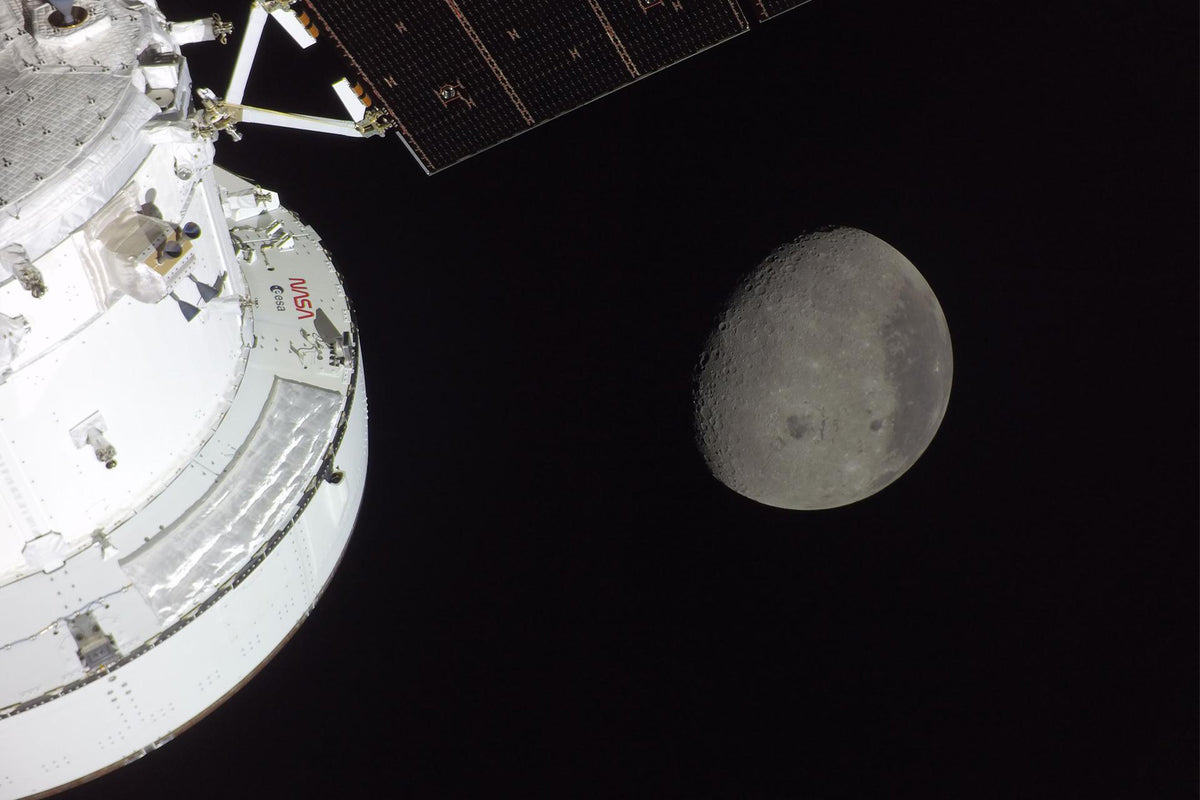
Orion’s trajectory is simple in design, yet critical in purpose: launch from Earth, orbit the Moon, and return safely home. Throughout the journey, the astronauts observed the far side of the Moon with the human eye for the first time in decades, capturing high-resolution images along the way. These visuals offer value beyond scientific curiosity — providing essential data for future crewed missions. Measurements and in-flight tests conducted during the mission play a key role in understanding whether the lunar environment is suitable for sustained human presence. As the crew gathered data on the Moon’s magnetic field, radiation levels, and surrounding conditions, each observation became a tangible reference point for NASA’s next steps. Together, these efforts form a crucial foundation, enabling a safer and more confident return to the lunar surface — and marking another significant milestone in humanity’s journey back to the Moon

JUSTSTANDART

Ay Çevresinde Deneyim ve Keşif

Beyond its scientific and technical scope, the mission carried a profoundly human dimension. While in lunar orbit, the astronauts witnessed a solar eclipse and observed Earth as a distant blue point in the vastness of space — a moment both deeply moving for the crew and striking for humanity as a whole. Throughout the mission, the crew conducted a series of experiments, helping to define the limits of human presence around the Moon. Yet these observations extended beyond data collection. They became personal experiences — quiet, powerful reminders of the scale of our journey into space, and of humanity’s place within it.

JUSTSTANDART

Technical Excellence in the Mission

Artemis II not only enables the Orion spacecraft to be tested in a fully crewed flight, but also establishes a secure foundation for NASA’s future missions. Every maneuver and measurement delivers critical data — particularly in preparation for Artemis III and its goal of landing humans on the lunar surface. Throughout the mission, the crew conducted a series of experiments, contributing to a deeper understanding of the limits of human presence around the Moon. In parallel, their observations and hands-on experiences provided valuable insights, shaping the planning and execution of future crewed missions.

JUSTSTANDART

Orion is now on its return trajectory to Earth, preparing for splashdown in the Pacific Ocean. The mission spans approximately ten days in total, with landing expected on the evening of April 10, 2026. Artemis II, as the first crewed mission to orbit the Moon in this new era, has done more than gather technical and scientific data — it represents a defining step in humanity’s return to the lunar frontier. The mission not only establishes a critical foundation for NASA’s future plans, but also reignites the global excitement surrounding lunar exploration.